

Guest Column | Living with congenital heart disease: Care from childhood through adulthood
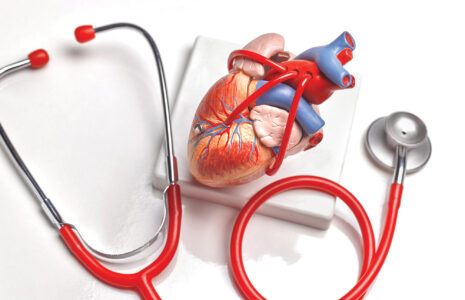
Congenital heart disease is defined as a condition one is born with, though for most affected, it is a lifelong journey. For some, stresses are apparent from the moment they are born. For others, it may go undetected for years. Affecting nearly 1% of births in the United States, congenital heart disease includes a wide range of structural heart differences that require specialized, ongoing care.
During Heart Month-and throughout the year-the Lee Health community aims to come together to raise awareness, learn how these conditions affect people at every stage of life, and connect families with helpful resources that can make a meaningful difference in helping patients live longer, healthier lives.
What is congenital heart disease and who does it affect?
Congenital heart disease refers to heart conditions present at birth, including defects such as holes in the heart, valve abnormalities or improperly formed blood vessels.
Thanks to advancements in surgery and medical technology, most children born with congenital heart disease now survive into adulthood. These individuals are referred to as adults with congenital heart disease (ACHD). It is important to recognize that congenital heart disease is a lifelong condition. Even if a patient has had a repair or surgery during childhood, they still require ongoing specialized follow-up care.
The heart forms through a complex series of developmental steps. Variations in heart development can affect its structure and function. Some conditions require early intervention, while others may not become apparent until later in life.
Adult and pediatric cardiologists working together is crucial because their training backgrounds differ significantly, and patients’ needs change over time. Given the unique anatomy and physiology of ACHD, patients and changes that occur as persons age, collaboration between pediatric and adult congenital specialists is essential in providing comprehensive care.
How is congenital heart disease diagnosed?
Today, fetal echocardiograms-specialized ultrasounds performed during pregnancy-can detect many congenital heart defects before birth, especially more serious conditions. Later in life, diagnoses may involve echocardiograms of the heart or more advanced imaging, such as CT or MRI scans. Sometimes, cardiac catheterization is used to evaluate heart anatomy and pressures in detail.
A diagnosis of congenital heart disease can be overwhelming for families. It’s important to recognize that these conditions range from mild to complex, and treatments are tailored to the specific diagnosis. Many congenital heart defects are treatable with procedures or surgery. The key is to stay in touch with a pediatric cardiologist and understand your child’s tailored care plan.
Can someone have congenital heart disease and not know it?
Some congenital heart defects are mild and cause minimal-to-no symptoms early in life. Others may only be discovered during testing for unrelated concerns or when symptoms develop later.
In the past, limitations in imaging meant some conditions went unnoticed. Today, advances in technology allow us to identify more congenital heart defects in adolescence or adulthood.
Life events such as pregnancy, increased physical activity, or illness can place additional strain on the heart and reveal previously undetected conditions. Some individuals may unconsciously limit activity over time without realizing something is wrong. Others learn of their diagnosis incidentally during imaging studies.
Once identified, care focuses on understanding the patient’s goals and determining the appropriate monitoring or treatment strategy.
How is congenital heart disease treated?
Treatment for congenital heart conditions is highly individualized and depends on the specific condition and its severity. Some patients require early surgery or intervention to ensure adequate blood flow and oxygen delivery. Others may need medication or require long-term monitoring.
Even after surgery, patients are never “cured.” Lifelong follow-up is essential, as repaired structures may change over time and require future interventions. People with congenital heart disease may be at higher risk of developing abnormal heart rhythms or changes to their heart function than others and follow-up is important to detect these changes early.
Management strategies can include medications, imaging, and catheter-based interventions. Care often involves a multidisciplinary team.
Does pregnancy affect the heart?
Pregnancy places added strain on the heart. Women with congenital heart disease should be evaluated by a congenital heart specialist before becoming pregnant, whenever possible, to assess individual risk, review heart function, and to plan appropriate monitoring. With coordinated, multidisciplinary cardio-obstetric care, many women with CHD can safely achieve healthy pregnancy outcomes.
The aim is to ensure that every patient is connected with the appropriate care and support they need for long-term health.
At Lee Health, our pediatric cardiology team cares for patients from before birth and throughout childhood, guiding families through diagnosis, treatment, surgeries and early follow-up.
Once patients reach adulthood, care continues through Lee Health’s Adult Congenital Heart Disease Clinic, where we focus on long-term surveillance, ongoing management, and helping patients live healthy, fulfilled lives as adults.
Through a team-based, multidisciplinary approach, we partner across pediatric cardiology, adult cardiology, electrophysiology, interventional cardiology, cardio-obstetrics, and heart failure specialists to address the unique needs of every congenital heart disease patient
For more information or to make an appointment with a physician, please visit leehealth.org.
Shantelle Bartra is an APRN at Lee Health and Dr. Josh Saef collaborates with Lee Health.